Skincare can be confusing with so many products, trends, and advice floating around. As a beauty therapist, I often hear common myths from clients that need a little debunking. So, let’s set the record straight and bust some of the most popular skincare misconceptions.
1. You Don’t Need Sunscreen in the UK
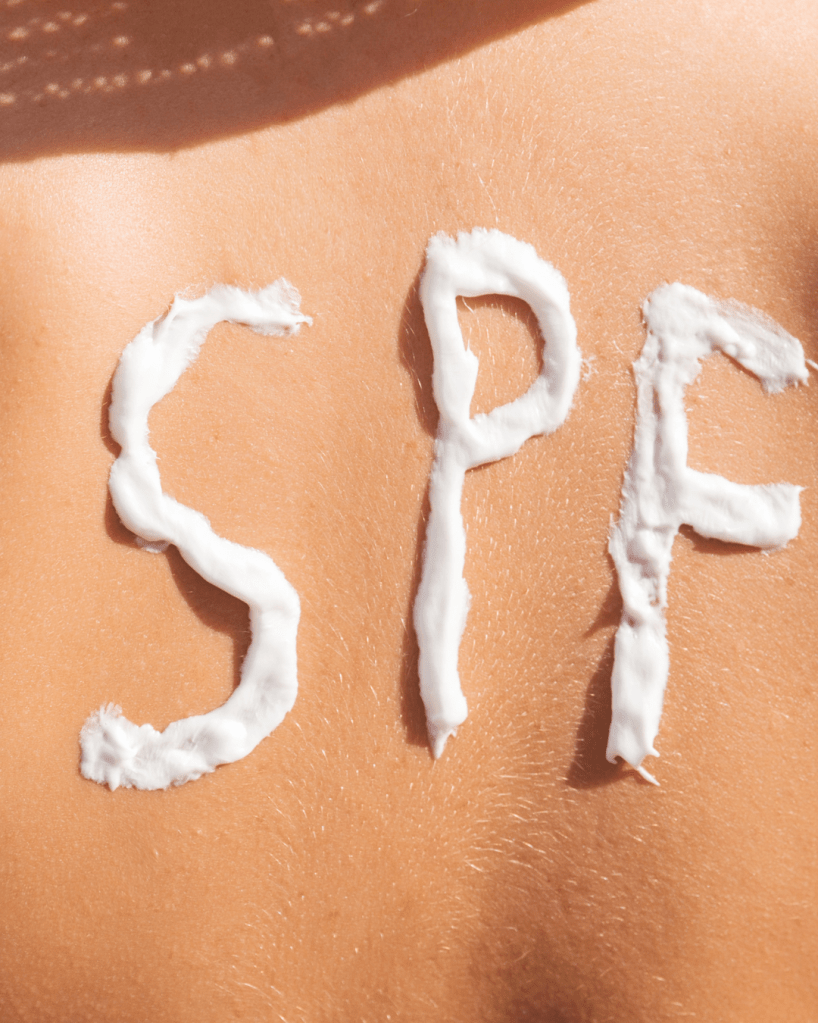
It’s easy to assume that sunscreen is only necessary when you’re on holiday or when the sun is shining bright, but that’s far from the truth! In the UK, UV rays can still damage your skin, even on cloudy days. UV rays penetrate through clouds and glass, making it essential to wear sunscreen every day, rain or shine. Protecting your skin from premature ageing, sunburn, and skin cancer starts with a broad-spectrum SPF of at least 30.
2. Oily Skin Doesn’t Need Moisturiser
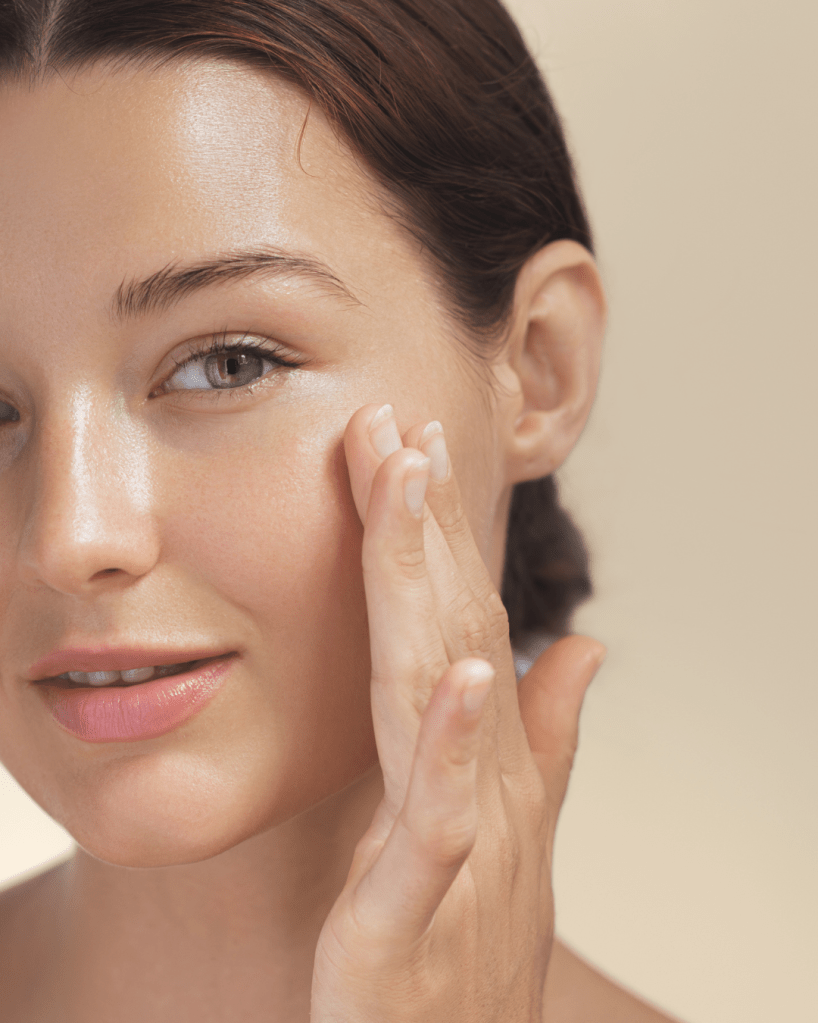
A common misconception is that oily skin doesn’t need extra hydration. However, skipping moisturiser can cause your skin to overproduce oil to compensate for the dryness. This can lead to clogged pores and more breakouts. The key is to use a lightweight, oil-free moisturiser to balance and hydrate your skin without clogging pores.
3. You Can Shrink Your Pores
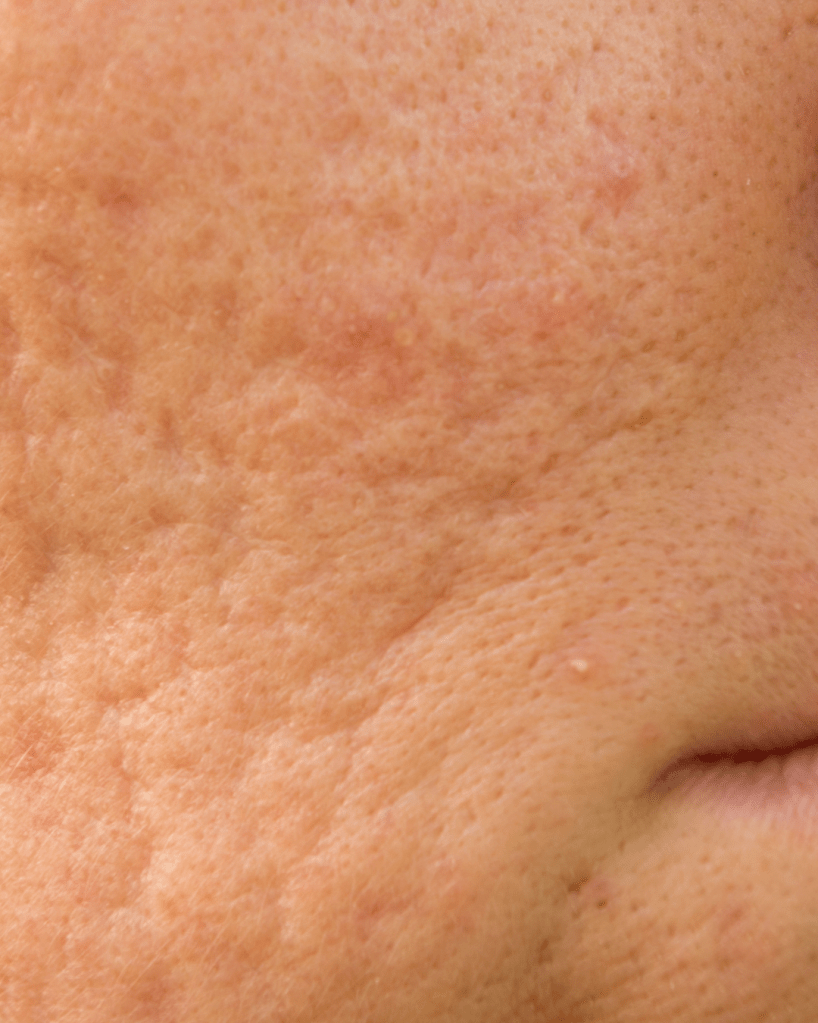
We all wish we could shrink our pores, but unfortunately, it’s not possible. Pore size is genetic, and while you can’t change the size of your pores, you can minimise their appearance. Regular exfoliation, using products with niacinamide, and keeping your pores clean and clear can help give the appearance of smaller pores.
4. Natural Products Are Always Better
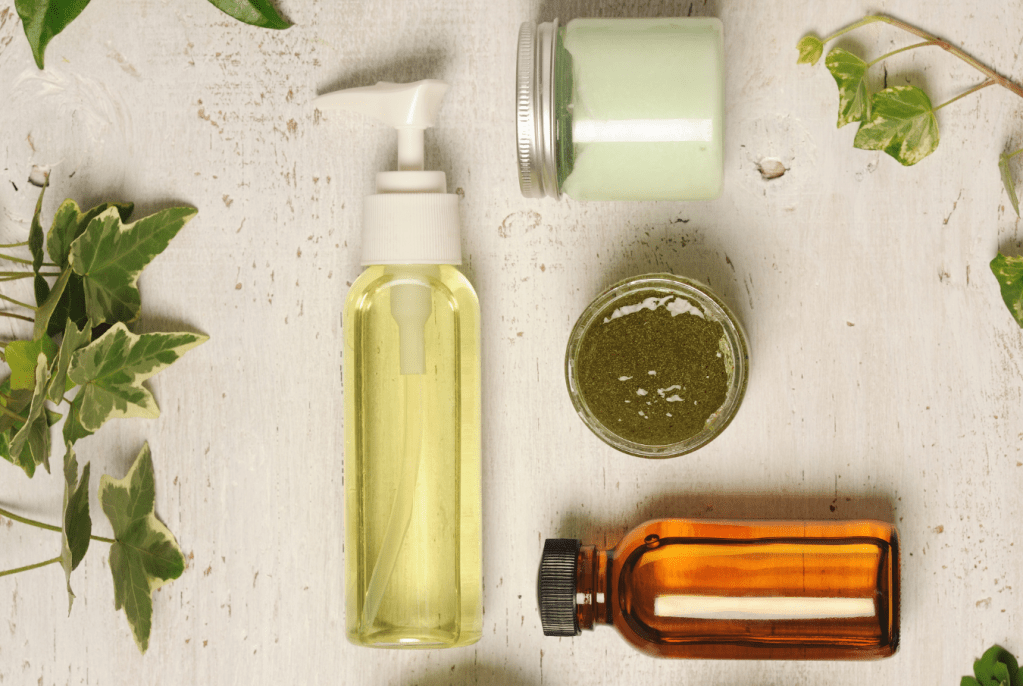
Just because a product is labelled as “natural” doesn’t necessarily mean it’s better for your skin. Natural ingredients can still cause irritation, and many synthetic ingredients are effective and safe for your skin. It’s more important to choose products based on your skin’s needs rather than just the label. Always check ingredients and choose what works best for your skin type.
5. Anti-Ageing Products Are Only for Older Skin
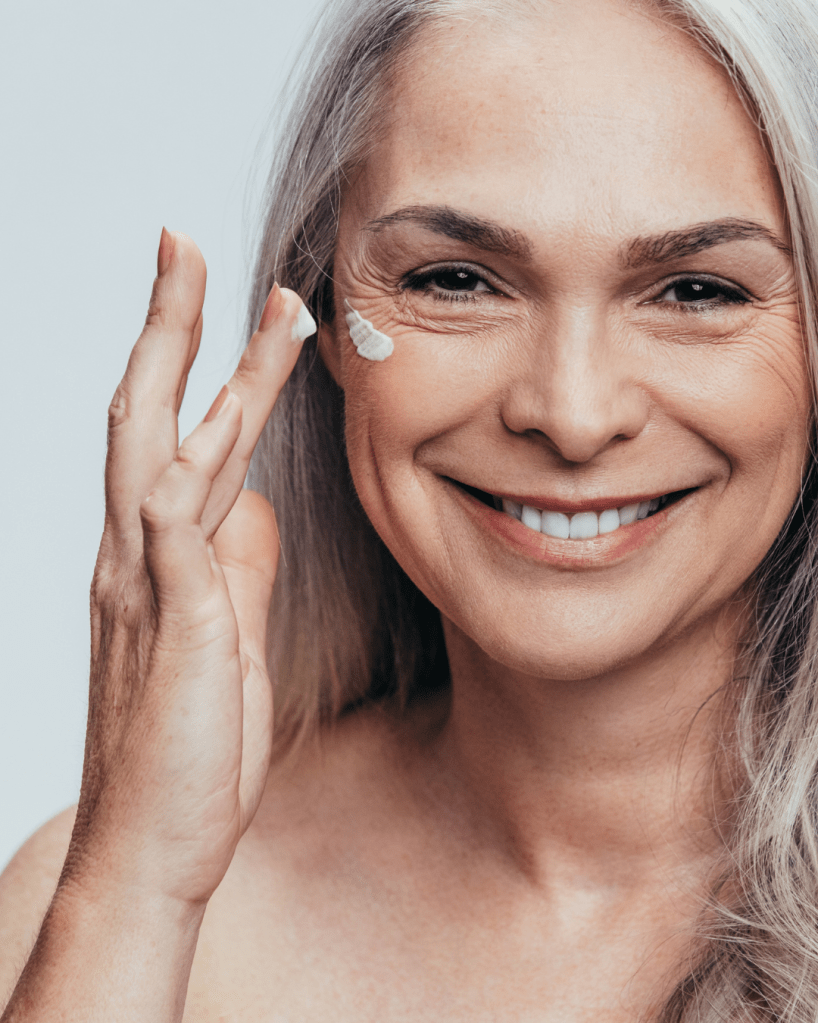
Ageing is a natural process, and it’s never too early to start thinking about preventative care. Starting an anti-ageing skincare routine in your 20s or 30s can help maintain your skin’s elasticity and minimise fine lines in the future. Prevention is always better than a cure, so incorporating anti-ageing ingredients like antioxidants and SPF is key.
6. You Should Scrub Your Face to Get It Really Clean
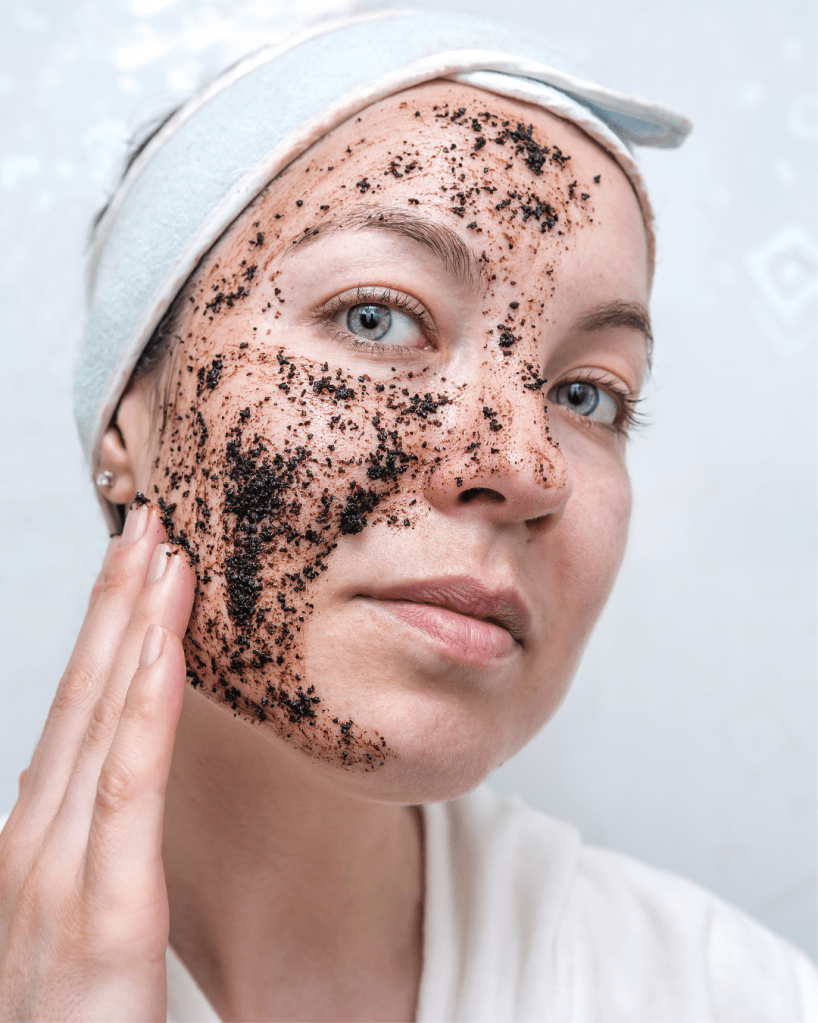
Scrubbing your face with harsh exfoliators or using abrasive tools can actually do more harm than good. Over-scrubbing can strip your skin of its natural oils and damage the protective barrier, leading to irritation and breakouts. Opt for gentle exfoliants and use them in moderation to keep your skin clean without overdoing it.
7. You’ll Outgrow Acne After Your Teenage Years

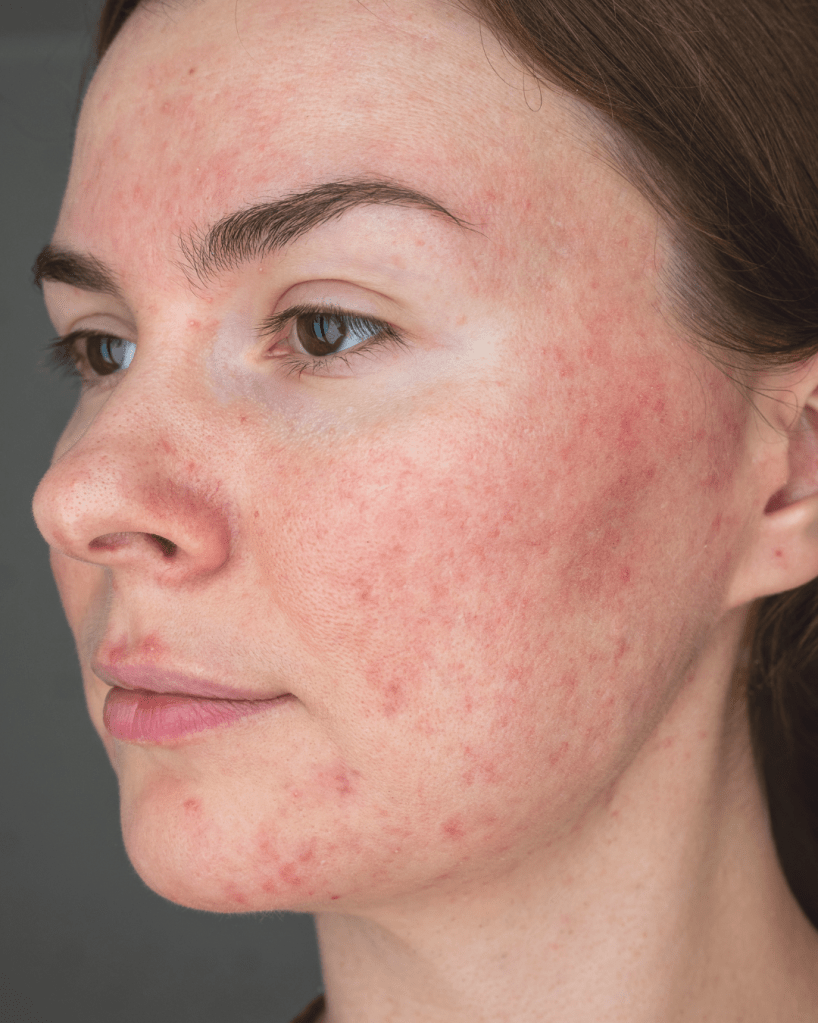
Many people believe that acne is just a teenage problem, but adult acne is common, especially during hormonal changes like perimenopause, pregnancy, or stress. If you’re still dealing with acne in your 30s or 40s, you’re not alone. Speak to a professional about the right treatment for your skin type and needs.
8. If a Product Tingles, It Means It’s Working
While some products may cause a tingling sensation, this is often a sign of irritation, not effectiveness. If you feel a burning or stinging sensation, it could mean that the product is too harsh for your skin. Always patch-test new products, and if the tingling continues, discontinue use and seek alternatives.
9. You Only Need to Use Skincare Products at Night
Many people think their skincare routine should be limited to just a night-time regimen, but your skin needs care throughout the day as well. A morning routine with sunscreen and antioxidants is just as important as your night time routine for repair. Make sure you’re protecting your skin from pollutants, UV rays, and environmental stressors during the day.
10. Drinking More Water Will Instantly Hydrate Your Skin

Water is essential for overall health, but it’s not a miracle cure for dry skin. While drinking water helps your body stay hydrated, proper hydration of the skin also relies on using skincare products that support moisture retention. Look for ingredients like hyaluronic acid, glycerin, and ceramides in your skincare to lock in moisture and keep your skin hydrated.
In Conclusion
Skincare can feel overwhelming, but the key is to understand what your skin truly needs. It’s essential to separate fact from fiction and create a routine that’s based on what works for your unique skin type and goals. Don’t be swayed by myths – stick to science-backed skincare practices and consult with professionals for personalised advice.
If you’re unsure about your current skincare routine or have any questions about what products might be best for you, feel free to reach out! I’m always happy to help you feel your best and achieve glowing, healthy skin.

 The Shed Diaries
Leave a comment